If someone is able to break into your vehicle, the injury can be personal, and the financial impact could be more severe. One of the most common questions that people are asked are: Does auto insurance cover items stolen? The short answer: Not usually. Insurance protects the car but not the personal items in it. However, it is possible that there are circumstances where you could be reimbursed – and knowing the rules can help you save hundreds of dollars.
Through this article, discover the specific policies that cover what and how to file an insurance claim in the correct way and the most effective methods to guard yourself against potential loss.
Does Auto Insurance Cover Stolen Items?
The truth is this:
Auto insurance doesn’t protect personal belongings that are taken from your car.
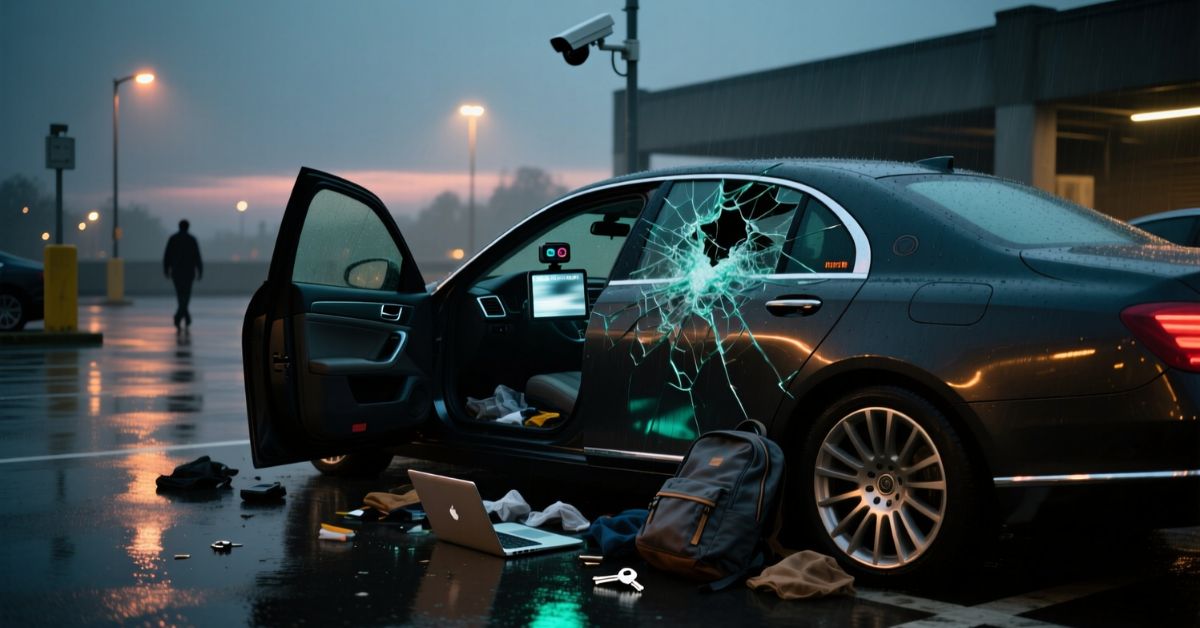
If your laptop or purse, toolbox, or backpack was taken the car insurance company will not be able to take them back under your auto insurance policy, even if you have complete insurance.
But that doesn’t mean you’re not left with alternatives.
When Auto Insurance Does Help After a Theft
Your comprehensive coverage (sometimes called “other-than-collision”) will pay for:
- Broken windows
- Locks damaged
- Damage to the console or dashboard
- Car vandalism that is related to the theft
- The car itself, should be a victim of theft
However, what about the things inside the vehicle? These are covered by an entirely different kind of insurance.
What Insurance Does Cover Stolen Items?
For reimbursement for personal belongings that were stolen from your car generally, you need homeowner’s insurance or renters insurance.
How Homeowners or Renters Insurance Covers Stolen Items
Both types of policies include personal property protection that protects your possessions even if you aren’t at home..
Most insurance policies will compensate you for stolen items from your car following an incident of break-in, usually at the amount of the real price (ACV) which means depreciation will be included.
In all, take into consideration:
- Your deductible
- Limits to coverage
- If items with high value (e.g. tools, jewelry, electronics) need separate insurance
Examples:
If your laptop worth $1,200 is stolen and you’ve got an deductible of $500 then your payment will be $700 as long as laptops don’t have an upper limit.
What About Stolen Business Items or Tools?
If you’re a freelancer photographer, gig worker, you could frequently store equipment in your car.
Here’s where things can get tricky.
- Insurance for renters or homeowners might not cover all the business-related property.
- Certain policies prohibit the use of business tools completely.
- There is a chance that you will require insurance for your business property and an insurance policy for marine vessels (common for mobile service providers and contractors).
If you depend on equipment to make a living and earn a living, this is a major insurance gap that you should not be able to overlook.
How to File a Claim for Stolen Items
No matter if you’re a homeowner, renter or homeowners coverage, submitting your claim in the right way will speed up the reimbursement process.
Step-by-Step Claim Process
- Report a crime promptly.
All insurers require it and delays could complicate your claim. - Record everything you have that was stolen.
Make an exhaustive list that includes approximate values, dates of purchase and receipts, if you have them. - Photograph the car damages.
- Contact both insurance companies for assistance.
- Auto insurance – car damages
- Homeowners/renters – stolen belongings
- Verify your deductibles.
If the value of the item stolen is less than your amount of the deductible, it might not be worthwhile to file an individual property claim.
What Stolen Items Are Not Covered by Any Policy?
Certain items fall under grey areas or excludes. Common examples:
- Cash (usually only available in very little amounts e.g. $200-$100)
- The most expensive jewelry with no personal items rider
- Business inventory that is not commercially covered
- Illegal products
- Items made from home with no verifiable value
Before you store anything of value in your car, make sure that you are aware of your insurance’s limit.
Preventing Future Theft: Practical Tips That Actually Work
The majority of car break-ins are crimes of potential. By reducing visibility and access, you could dramatically reduce your chance of being a victim.
- Don’t leave your bags, electronics or other tools out of sight.
- Secure your doors (45 percent of car burglaries involve vehicles that aren’t locked).
- Park in well-lit, well-populated areas.
- You might want to consider a car alarm, or a steering wheel lock.
- Don’t leave keys that aren’t needed in the vehicle.
- Install a dash cam that has parking mode. Some insurance companies offer discounts for this.
They’re not tricks — police departments have reported that visible deterrents cut down on the number of smash-and-grabs.
Should You File an Insurance Claim for Stolen Items?
It’s based on the worth of the item taken as well as your tax deductible.
Making a homeowners or renters claim for a stolen $200 item that has the deductible of $500 doesn’t make financial sense. In addition, filing too many claims could increase your insurance premiums.
A good rule of thumb is to
Do not file when the value of the items stolen is significantly greater than the amount of your tax deductible.
Final Takeaway -Will Auto Insurance Cover Stolen Items?
Let’s get to the bottom of it Insurance for your auto covers your car. Renters or homeowners insurance covers your belongings.
If you have items that were stolen from your vehicle:
- Auto insurance covers the cost of vehicle damages
- Homeowners/renters insurance will cover personal possessions
- Business insurance – protects the work equipment
Knowing how these policies work together could save you disappointment — and also cash — following an incident of burglary.
FAQ‘s
1. Does comprehensive auto insurance protect stolen items?
No. Comprehensive coverage covers any damage to your vehicle but not your personal belongings inside.
2. What is the renters insurance policy? Will it cover items taken from my car?
Yes, renters insurance generally covers the loss of personal property in any location, including inside the vehicle.
3. If my car is taken with valuables in it, who will pay for the items?
Insurance for the automobile covers the car rental or homeowners insurance protects the items.
4. Do I require an official police report in order to file a claim for theft?
Yes. Insurance companies require a police report for auto damages as well as theft claims.
Disclaimer:
The content on Gap Insurance Guide is for informational and educational purposes only and is not legal, financial, or insurance advice. While we strive for accuracy and reference trusted sources and news websites, we make no guarantees about the completeness or reliability of the information. Insurance laws and policies vary by state, and individual circumstances differ. Always consult a licensed professional before making decisions. By using this site, you agree that Gap Insurance Guide is not responsible for any actions taken based on this content.