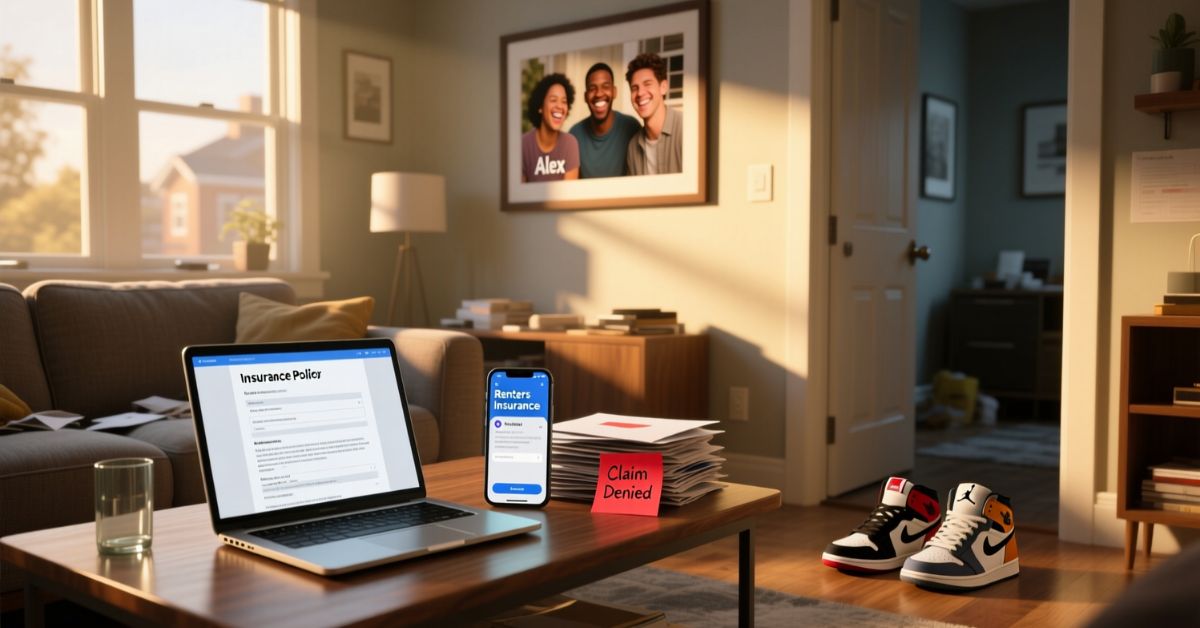
If you’re living with your partners or friends One of the primary questions you’ll be asked will be: does renters insurance include all roommates? Many people assume that a single policy will cover the entire family, but that’s not the scenario. A misunderstood coverage could cause financial hiccups when things go wrong.
This guide explains exactly the renters insurance process when you share a house and who is covered, which ones aren’t, as well as the most effective method of ensuring that all the things within your home is insured.
Why Renters Insurance Doesn’t Automatically Cover All Roommates
Here’s the quick, simple response:
No Renters insurance does do not automatically protect every roommate.
The majority of policies cover only only the the named insured (the the policy holder) and, sometimes, immediate family members who live in the same home. This means your spouse, friend or roommate doesn’t get insurance only because they live in the house.
Insurers do not want to cover roomsmates automatically due to two reasons:
- Greater risk: More people – greater possessions – and more possibilities to file claims.
- Complexity of Liability: Insurers want clear accountability of who is accountable for accidents or damages that occur.
When a Roommate Can Be Covered Under One Policy
While coverage isn’t guaranteed however, it is possible to get coverage. are instances where roommates may be able to share renters insurance.
1. You Add Your Roommate to Your Policy (If Allowed)
Some insurance companies allow you to add the roommates in the form of “additional insurance policy holders.” This provides the same protection to them, which includes:
- Damage or theft of personal property
- The loss of usage (hotel expenses when the rental is no longer livable)
- Personal security from liability
It is important to note that The insurance companies vary greatly in this regard. Some will allow multiple roommates, others do not allow. Others charge per additional per.
2. You Live With a Spouse or Domestic Partner
Many insurance companies automatically will include:
- A spouse
- Domestic partner (when it is documented)
This could make sharing a policy easier and more cost-effective.
3. You Have a Joint Lease
A lease agreement is not ensure coverage shared However, it can make the addition of roommates easier as insurers see joint tenants as one household unit.
When Roommates Are Not Covered
The following scenarios do not fall under the policy in the event that a roommate has been explicity included in the policy:
- The friend moves in after
- A roommate for a short time (e.g. or someone who sublet the room)
- A romantic partner that is not included as a domestic partner/spouse
- Roommates with their own bedroom separate from the others or “lock-and-key” arrangement
- Roommates who keep valuable things (jewelry games, gaming gear camera equipment, jewelry)
If they’re not listed on the policy the property of the insured is not covered and they receive no liability coverage.
Why Sharing a Renters Insurance Policy Isn’t Always a Good Idea
It may seem simpler to divide one policy but it can become complicated very quickly.
Shared Claims Can Raise Premiums for Everyone
One claim can be listed in the shared policy record and could affect the other roommate’s rights:
- Future premiums
- Insurability
- Deductible liability
Disagreements Over Belongings
A claim that involves shared spaces poses a number of issues:
- What was the damage to their possessions?
- Who is responsible for what percentage in the deductible?
- What happens if one of the roommates owns more valuable things?
Liability Gets Especially Tricky
If someone is injured while attending a party with a roommate and you are injured, you could be drawn into the case since you’re covered by the same insurance.
Moving Out Complications
If someone leaves mid-lease, getting them removed from the lease can be a pain — or they might not remember to create the new policy.
The bottom point:
Sharing policies is possible however, it’s not always the most efficient or safest choice.
The Smartest Option: Each Roommate Has Their Own Policy
In the case of most shared rentals the best way to set up is simple:
Every person has an insurance plan for renters.
Here’s how it can be improved:
- Absolute independence Complete independence: No shared claims, or disagreements
- Lower individual risk
- A clear personal security for your belongings
- Clean separation during move-outs
- Cost comparable (usually $10-$20/month for each person)
Nowadays, insurance companies make it simple and affordable for people to obtain insurance without relying on their roommate’s coverage.
Real-World Example: How Coverage Works in a Shared Apartment
Situation:
You and your roommate share a 2-bedroom apartment. A pipe explodes inside the wall, flooding your living space.
If you are the only one with an established policy:
- Items damaged by you: Covered
- The damaged items are: Not covered
- Your temporary residence: Covered
- Their temporary accommodation: Not covered
- Legal Liability (if the landlord is blaming you both for damages): Only you are legally secured
If the roommates both have distinct policies:
- All belongings of a person: Covered individually
- Every person’s loss of access to: Covered individually
- Avoid any financial disputes
This is the reason why many insurance professionals strongly recommend separate policies.
How to Talk to Your Roommate About Renters Insurance
A brief 10-minute chat can save you a lot of stress later. Here’s an easy script to follow:
- “Renters insurance won’t provide coverage for both of us.”
- “If there’s a catastrophe it is our responsibility to each have our own policies so that we don’t end up paying out of our pockets.”
- “The cost is affordable around $15 per month and it safeguards your belongings and liabilities.”
- “Let’s each purchase our own insurance policy to ensure that we’re both protected.”
The majority of roommates love the clarity, particularly when they are aware of the cost it is to cover.
Conclusion:
No, renters insurance won’t cover every roommate unless specifically included in the insurance policy. And even when it’s permitted the sharing of a policy usually causes more issues than it can solve.
The safest, easiest, most cost-effective route to take is:
Each roommate must have an insurance policy for renters.
It helps protect the personal belongings of everyone. helps reduce liability concerns and ensures that finances are kept in good order in the event that someone moves out or file an insurance claim.
FAQ’s
1. Does the renters insurance cover roommates in a way?
No. Only the named insured, and often a domestic partner or spouse are covered by default.
2. Do I have to include my roommate in the renters’ insurance?
Sometimes. It’s dependent on the insurance. Some allow roommates to be added for an additional cost.
3. Do roommates require separate insurance policies for renters?
It is generally advised. Separate policies prevent conflicts, shared claims as well as coverage gaps.
4. Do renters insurance covers my roommate’s possessions?
They shouldn’t be added unless explicitly into the existing policy.
Disclaimer :
The content on Gap Insurance Guide is for informational and educational purposes only and is not legal, financial, or insurance advice. While we strive for accuracy and reference trusted sources and news websites, we make no guarantees about the completeness or reliability of the information. Insurance laws and policies vary by state, and individual circumstances differ. Always consult a licensed professional before making decisions. By using this site, you agree that Gap Insurance Guide is not responsible for any actions taken based on this content.