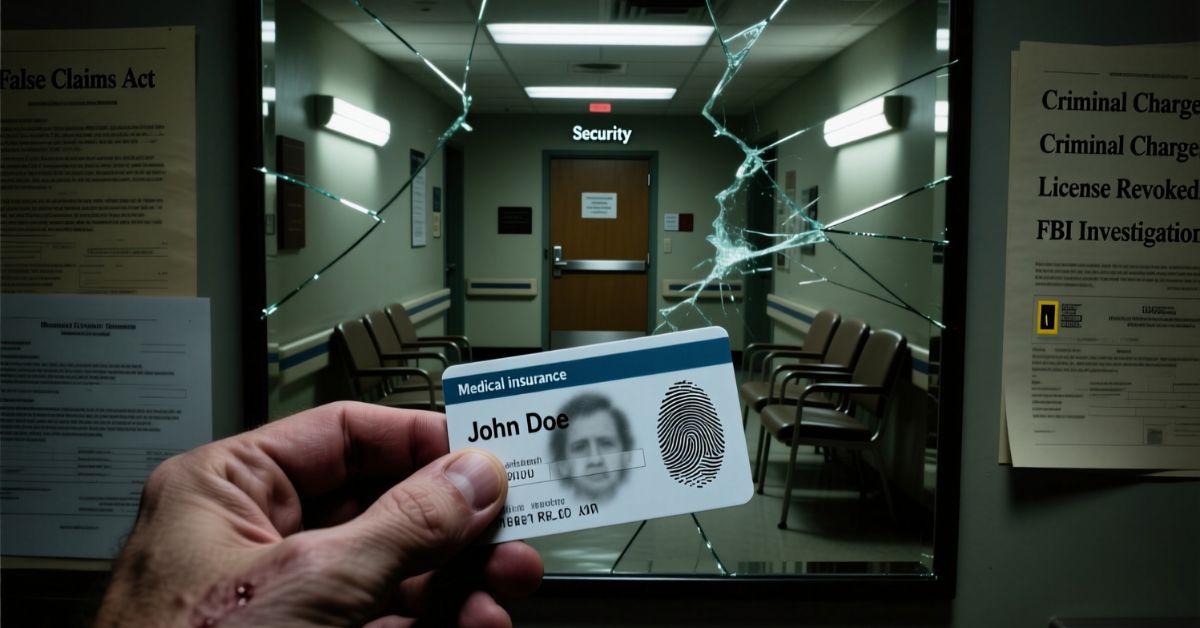
Health insurance fraud isn’t an issue of money -it could cause irreparable harm to lives, deplete the health system, and have serious legal penalties. Every year, millions dollars are lost due to fraudulent claims, false medical bills as well as identity theft. What happens if someone is arrested? Knowing the severity of health insurance frauds is crucial for the policyholders as well as healthcare professionals.
In this article we’ll discuss the different types of fraud in health insurance, legal ramifications of those who are guilty, as well as ways to prevent yourself from being involved – whether knowingly or not – in fraudulent actions.
What Constitutes Health Insurance Fraud?
Insurance fraud involving health is when a person or an organisation intentionally deceives an insurance company to obtain illegal benefits. The most common types are:
- false Claims: Submitting claims for services that are not offered.
- Exaggerated billing: Charging for more expensive treatments than actually provided.
- Identity Theft Utilizing an insurance plan of another person to obtain medical treatment.
- Bribes and Kickbacks: Offering or accepting payment for referrals from patients.
Based on the FBI the health fraud is estimated to cost an estimated U.S. approximately $80 billion per year. Recognizing these frauds will be the very first thing towards understanding the serious consequences.
Legal Consequences of Health Insurance Frauds
The penalty in the case of fraud involving health insurance is based on the extent as well as the intention and extent of the fraud. This is a comprehensive outline:
1. Criminal Penalties
Fraud in the field of health insurance has been defined as an criminal offence in all states. It can result in:
- Penalties: Offenders can face fines that range between $5,000 to $100,000 based on the level in fraudulent claim.
- Imprisonment Terms for prison can differ between 1 year up to twenty years and can be extended to 20 years, particularly in large-scale programs.
- Criminal Record The conviction results in a permanent record. This could affect future employment opportunities professional licensure, employment and many other.
2. Civil Penalties
Even if a case doesn’t lead to criminal prosecution, civil lawsuits could be filed to recoup money that was lost. Civil penalties include:
- The repayment of the fraudulently obtained cash.
- Additional penalties of up to triple the value of crime in the False Claims Act (FCA).
- Legal costs and court fees.
3. Professional Consequences
Professionals in the field of healthcare who commit fraud could be liable for:
- license revocation The loss of a medical or business licence.
- Employer Termination Resignation from existing posts.
- Professional blacklisting Finding work is difficult in insurance or healthcare sector.
Case Example:
In 2023 the 2023 year, an Florida doctor was sentenced the prison for 10 years and 2 million fines for submitting false claims of unproviding treatments. This demonstrates how serious courts take these crimes.
Preventive Measures and Best Practices
Understanding the penalties is vital However, prevention is equally important. Here are the steps you can take to protect you and your business:
- Verify Patient Information Always verify health records and insurance cards thoroughly.
- Audit Practices for Billing: Regularly review claims for any inconsistencies.
- Inform staff: Conduct training on the compliance of your organization and how to detect fraud.
- Report suspected fraud: Notify authorities or utilize anonymous hotlines.
- Utilize Secure Systems: Protect patient data to stop identity theft.
Through tight internal security, companies can lower their chances of having to face the repercussions of health insurance frauds.
How Authorities Detect Health Insurance Fraud
Law enforcement and insurance agencies employ sophisticated techniques to detect fraud
- Data Analytics AI as well as machine-learning analyse billing patterns.
- Audits Targeted and random audits uncover fraudulent claims.
- Whistleblower reports: Employees or insiders are able to report violations in the FCA.
- Cross-Agency Collaboration police, FBI and insurance regulators collaborate in large-scale cases.
Conclusion
Insurance fraud involving health insurance is considered a grave crime that has far-reaching consequences. Penalties include substantial penalties, jail time and permanent professional harm. If your profession is healthcare patient or insurer taking note of these dangers and taking preventive measures is essential.
The lesson to take away: Stay vigilant, adhere to ethical guidelines and train your staff. Be aware and take proactive steps are the best way to protect yourself from fraud, as well as the hefty penalty for health insurance frauds that comes with.
FAQ’s
1. Which is the most severe penalty for fraud in the health insurance industry?
The maximum penalty for health insurance fraud could include fines of up to $100,000 as well as sentences of imprisonment of up to 20 years dependent on the degree of the fraud.
2. Are patients liable for fraud in the health insurance system is it possible?
Patients who are knowingly submitting false claims or make use of an insurance plan of another can be subject to civil and criminal sanctions.
3. What can I do to report suspected medical insurance scams?
could notify your insurance company or the FBI or the U.S. Department of Health & Human Services’ Office of Inspector General.
4. Do you think that accidental overbilling is fraud?
Unintentional errors are usually rectified without the need for criminal charges. Fraud requires intentional deception.
5. How can authorities probe the fraud in health insurance?
They rely on audits, analysis of data whistleblower tips and inter-agency collaborations in order to spot fraud.
Disclaimer :
The content on Gap Insurance Guide is for informational and educational purposes only and is not legal, financial, or insurance advice. While we strive for accuracy and reference trusted sources and news websites, we make no guarantees about the completeness or reliability of the information. Insurance laws and policies vary by state, and individual circumstances differ. Always consult a licensed professional before making decisions. By using this site, you agree that Gap Insurance Guide is not responsible for any actions taken based on this content.