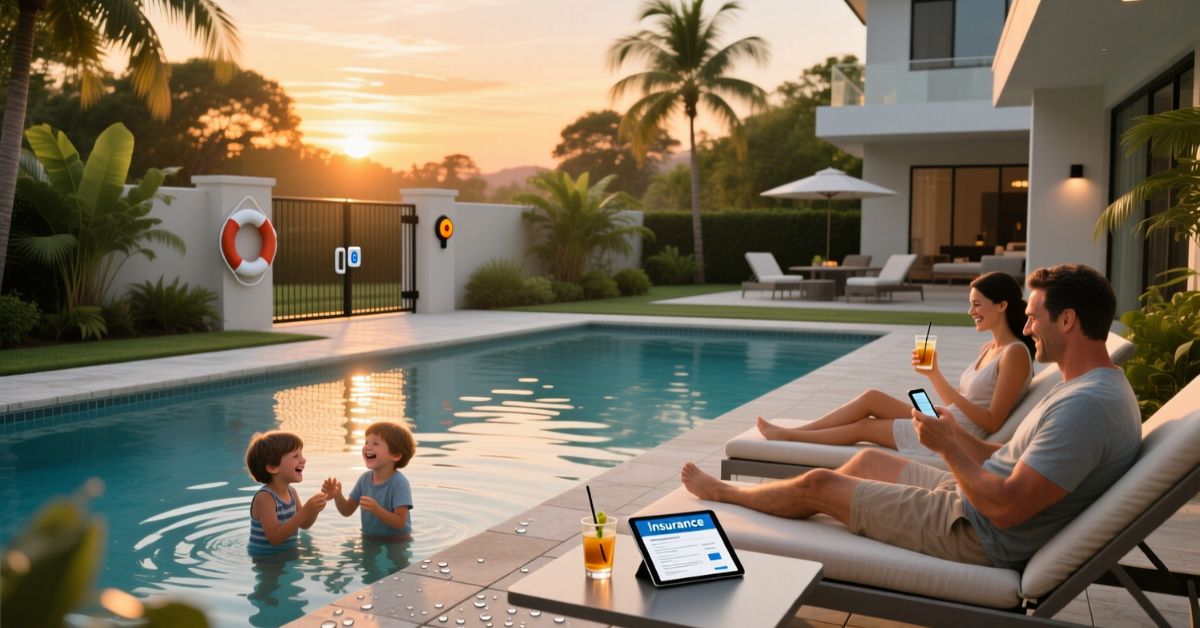
The idea of having a pool at home is an ideal dream for many homeowners. It’s a great place to relax as well as exercise and fun for your family and friends. However, having an outdoor pool comes with dangers- accidents and accidents, injuries to properties or liability issues. This is when the insurance coverage for your pool is essential. In this article we’ll look at the process of pool coverage as well as the reasons why it’s crucial and how to make sure your pool is protected.
Why Pool Owners Need Specialized Insurance
Although homeowners insurance is a standard coverage for numerous risks, pools can create additional liability risk:
- Injuries and accidents: A slip, drowning, or fall can lead to costly legal actions.
- Home damage The water from your pool can damage the house or other properties nearby.
- The breakdown of the equipment The pumps, the filters and heaters for pools may not be covered in full under basic rules.
In the words of Insurance Information Institute that liability claims relating to swimming pools can be as high as 100,000 per incident and insurance is an important security measure.
Types of Coverage for Pools
When you’re thinking about the possibility of pool insurance on your home There are specific choices of coverage you must consider:
1. Liability Coverage
This will protect you in the event that anyone is injured in your pool. Homeowners insurance typically covers liability, however the amount might require an increase for pool owners.
2. Property Coverage
Insures against damage to your pool’s structure equipment, structure, or property that is caused by storms and fires or vandalism.
3. Umbrella Insurance
Additional insurance policy that offers additional liability protection in addition to the homeowners insurance. It is ideal for owners of pools concerned about lawsuits or serious accidents.
4. Equipment Breakdown
Certain insurance companies offer additional coverage for heaters, pumps or filtration systems, in the event that they fail or become damaged.
Factors Affecting Pool Insurance Premiums
A variety of factors affect the amount you’ll have to pay for pool insurance:
- Type of pool: In-ground pools typically cost more to insure than above ground pools because of the risk.
- Fences and security steps: Installing a locked fence, pool cover and alarms could lower the cost of insurance.
- Place: Areas prone to floods or storms can cause an increase in rates.
- Claim history: Previous claims related to damage to properties or pools can affect your cost.
Insuring your safety with security features can not only protect your family members but also save you money on insurance.
Tips to Maximize Pool Insurance Protection
- Review your homeowner’s policy: Confirm whether your pool is covered under liability insurance and property protection.
- Limit liability: Consider raising coverage to $300,000-$500,000 to provide additional security.
- Record your pool’s information: Take photos, keep records of maintenance, and keep the receipts for your equipment.
- Install security devices: Fences, pool alarms and life-saving equipment lower risk and increase premiums.
- Request endorsements Special pool rider or endorsements could provide additional protection against risks not covered in the standard policies.
Common Mistakes Pool Owners Make
- If their standard homeowners insurance covers their pool completely.
- Insufficiently updating coverage following renovations or the addition of the pool.
- Failure to adhere to safety precautions that are in place could result in the loss of protection.
- Infringing on local laws that could require a specific insurance policy.
By avoiding these mistakes, you can ensure that your insurance policy is truly protecting you.
Conclusion
The ownership of a pool can bring pleasure and enjoyment, but it also has responsibilities. Insurance for homes with pools is a crucial protection against injuries, property damage as well as financial loss. By knowing the the options for coverage, extending the limits of liability, and taking security measures, pool owners can enjoy their outdoor peace of mind. Be sure to check your policy frequently and speak with your insurance company to get advice specific to your situation.
FAQ’s
Q1 Do homeowners insurance covers pool-related accidents?
A Yes, homeowners insurance typically covers liability, however limits could require an increase for pool-related injuries.
Q2 Is it cheaper for above-ground pools to insure than inground pools?
A Most of the time the answer is yes. Aboveground pools are less risky and generally result in lower rates.
Question 3: Which security measures can help reduce the cost of insurance?
A The installation of fencing and pool alarms, as well as covers and other life-saving equipment could reduce insurance premiums and increase protection.
Question 4: Should I need to have a separate pool insurance policy?
A It’s not always. Most homeowners insurance policies include pools, however certain insurance companies provide umbrella or endorsement policies to protect you from the elements.
What is HTML0? Q5: How do document my pool to protect myself from insurance claims?
A Maintain photos as well as maintenance records and receipts for equipment in the pool. This will help streamline claims and show proper maintenance.
Disclaimer :
The content on Gap Insurance Guide is for informational and educational purposes only and is not legal, financial, or insurance advice. While we strive for accuracy and reference trusted sources and news websites, we make no guarantees about the completeness or reliability of the information. Insurance laws and policies vary by state, and individual circumstances differ. Always consult a licensed professional before making decisions. By using this site, you agree that Gap Insurance Guide is not responsible for any actions taken based on this content.