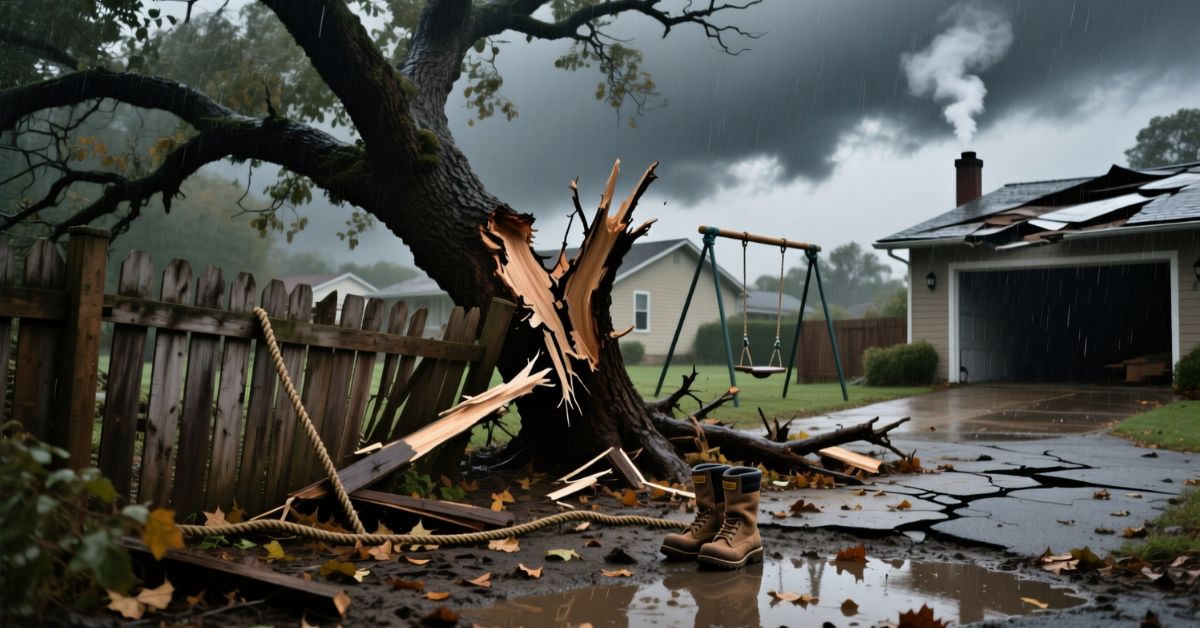
If a storm shatters the tree or powerful winds destroy your yard you may be wondering: does home insurance cover removal of trees? Many homeowners assume that insurance will automatically cover fallen trees, but the coverage depends on the source of the damage, the type of policy and limits.
In this article we’ll go over the situations where insurance could cover tree removal, clarify the different types of coverage that are covered versus excluded, and offer some practical suggestions to cut costs and make claims efficiently. In the end you’ll know the exact you should do if the tree is threatening your property.
When Tree Removal Is Covered by Home Insurance
Homeowners insurance typically will cover removal of trees only in the event that the tree causes harm to your property or detached structures, or hinders access following the occurrence of a covered risk. The most common covered perils are:
- Storm Damage Windstorms and hurricanes and lightning which cause trees to fall.
- fire: Damaged trees in an fire could be covered in order to remove them.
- Vandalism The damage caused by intentional actions could be deemed to be a violation.
It is important to note that The majority of policies pay for removal expenses up to a particular limit typically between $500 and $1,000 per incident.
Scenarios Typically Covered
- Tree Falls on Your House or Garage
- If a tree is thrown onto your wall, roof, or other structures The insurance typically covers the repair of the structure as well as the removal of the tree.
- Tree Blocks Access
- Some insurance companies will provide coverage for the removal of trees which block driveways, sidewalks or entryways, however, just if they believe the blockage stemmed in a covered incident.
- Neighbor’s Tree Causes Damage
- If the neighbor’s tree falls onto your property because of an insured peril the insurance typically covers the expense, but subrogation can recover money from their insurance.
When Tree Removal Is Usually Not Covered
Insurance does not cover trees that
- Are you dying or ill and fall in the absence of a protected peril.
- It is caused by the normal wear and wear or improper maintenance.
- Are removed to serve landscaping purposes or aesthetic reasons.
In these instances homeowners are required to pay through their pocket. Regular inspections and maintenance of trees will prevent this from happening, however, it won’t mean that removal is automatically protected.
Tips to Maximize Coverage for Tree Removal
- Check Your Policy Limits
- Some policies include a separate limitation on the removal of debris So, make sure to check if tree removal is covered in the.
- Document Damage Thoroughly
- Take pictures of broken structures, fallen trees and the surrounding area prior to cleanup.
- Keep Receipts
- Keep receipts of removal service invoices and insurance companies may reimburse reasonable costs.
- Act Quickly
- Contact your insurance provider immediately to prevent delays, and guarantee your coverage.
- Preventive Maintenance Helps
- Cut down weak branches and check the condition of the trees; though this won’t guarantee protection, it will reduce claim risk.
Cost Considerations
Tree removal prices can vary between 200 to $2000 based on the tree’s size the location and access. If insurance covers a part of the expense homeowners might still have to pay the deductibles. Make sure you know the amount of the deductible with your insurer prior to making an insurance claim.
Case Example
In 2024 the 2024 Texas homeowner made a claim following the fall of a tree that damaged their garage in a storm. The insurance policy they had purchased covered $1,200 to remove the tree in addition to $5,000 repair costs and repairs, with the exception of an amount of $500 in deductible. This illustration shows the fact that coverage is only available in the event of damage resulting from an insured peril that is not just due to the fact that trees was smashed.
Conclusion
What, then, does home insurance cover tree removal? The answer: it is dependent. It generally covers damage to trees that cause damages due to covered dangers such as fires, storms, or even floods but not for preventative maintenance-related reasons. Always read your policy keep a record of damage and follow the insurer’s instructions with care.
The takeaway is: Protect your property and your budget by knowing your limitations, keeping trees well-maintained, and submitting claims quickly if an incident happens.
FAQ Section
1. Do homeowners insurance covers the tree that falls onto fences?
yes, provided that the cause of the fall is the insured risk, such as the occurrence of a storm. The damage caused by neglectful maintenance is not usually covered.
2. Does tree removal be covered even if it does not damage my house?
Typically, there isn’t. Insurance typically covers removal when the tree creates property damage or blocks access.
3. Can I claim the removal of the neighbor’s tree that fell?
Yes, if an insured peril results in the tree falling on your home. The insurer could claim reimbursement from your neighbor’s insurance.
4. What is the amount that insurance will pay to remove trees?
Most policies cover between $500 and $1,000 for the removal of debris per incident Sometimes more, especially in the event that the tree is causing structural damage.
5. Is insurance covered for trees that damage my foundation?
No, not usually. The damage caused by gradual growth of roots is considered to be maintenance-related and usually not covered.
Disclaimer :
The content on Gap Insurance Guide is for informational and educational purposes only and is not legal, financial, or insurance advice. While we strive for accuracy and reference trusted sources and news websites, we make no guarantees about the completeness or reliability of the information. Insurance laws and policies vary by state, and individual circumstances differ. Always consult a licensed professional before making decisions. By using this site, you agree that Gap Insurance Guide is not responsible for any actions taken based on this content.